

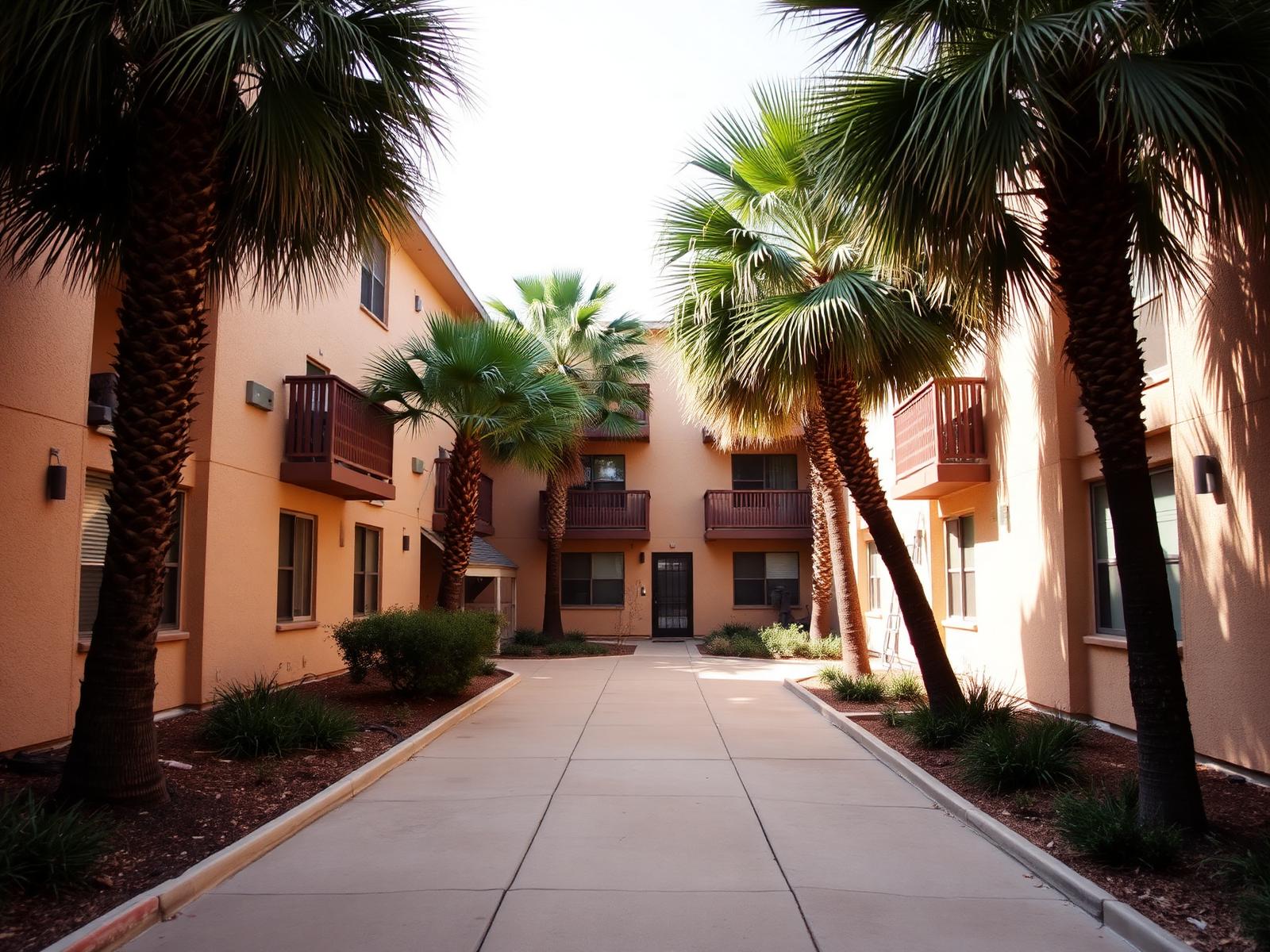
This question usually arrives framed as caution versus commitment, which is the wrong frame. Renting first is a tool. It buys you local information and time. Whether that is worth the cost of moving twice depends entirely on what you still do not know.
The honest test is this: name the specific question renting would answer. If you can name it, renting is probably a good decision. If you cannot, renting is usually a way to postpone a decision you are already equipped to make.
When renting first genuinely earns its cost
A few situations make it a strong choice.
You are moving without having spent meaningful time here, and the areas still feel abstract. You have a household with genuinely different priorities and no agreement yet. Your work or family situation may relocate you again within the region. Your housing needs are likely to change soon in a way you cannot yet describe. Or the timing of your move and the timing of your current property do not line up, and forcing them together would cost you leverage.
In all of those, renting is buying information or protecting flexibility. That is a real return.
When renting quietly becomes a delay
The pattern looks like this. You have already visited, you know your two areas, you know your tradeoff, and you rent anyway because it feels safer. Then a year passes, you learn very little you did not already know, and you have moved twice.
The tell is that you cannot state the question the rental year is answering. Comfort is not a question. Neither is a vague sense that you should wait and see.
If you have done the work described in your first Arizona scouting trip and the Arizona Atlas, you may already have what a rental year would teach you.
What a rental year is actually good at teaching
There are things you can only learn by living here, and it is worth being precise about them.
You learn how a full summer feels, and how that changes what you want from a house, a yard, and a pool. You learn your real routine rather than your imagined one, including which drives you repeat and which you avoid. You learn how a neighborhood behaves on ordinary weekdays and evenings. You learn whether you want more space or more centrality, which is the tradeoff almost nobody predicts correctly from a distance.
If those are your open questions, what buyers get wrong about drive time is worth reading, because a rental year is one way to answer that question and a structured trip is a cheaper one.
How to rent well if you choose it
Renting badly wastes the year. Renting well makes it decisive.
Rent inside or adjacent to one of your candidate areas rather than wherever is easiest to secure. Treat the year as an experiment with a stated question. Keep visiting the other candidate area so the comparison stays live. Set a decision date at the start rather than drifting toward the lease end. And keep working with the same advisor throughout, so the year produces a shortlist instead of a fresh start.
How to buy well if you skip it
If you are ready to buy on arrival, the discipline is different. Be honest about what you have actually tested and what you have only read about, and weight your search toward flexibility where you are least certain.
That often means favoring an area you have experienced on a weekday, choosing a property type that suits your travel and maintenance appetite, and reading the lock and leave lifestyle if you will be away often. It also means resisting the pull of a home that is wonderful in an area you have not stress tested.
A clean way to decide
Write the question renting would answer, then ask whether a well-designed second visit could answer it instead. If it could, visit. If it could not, rent, and rent deliberately.
Either path works when it is chosen for a reason. The bad outcome is drifting into one because the other felt like too much decision at once.
Where to take it next
If your move is still a way out, moving to Arizona with a 6 to 12 month timeline covers how to sequence it, and the Arizona relocation starter guide frames the wider process.
If you want help deciding which of these two situations you are actually in, reach out. I will tell you plainly, including when the answer is that you do not need a rental year at all.