

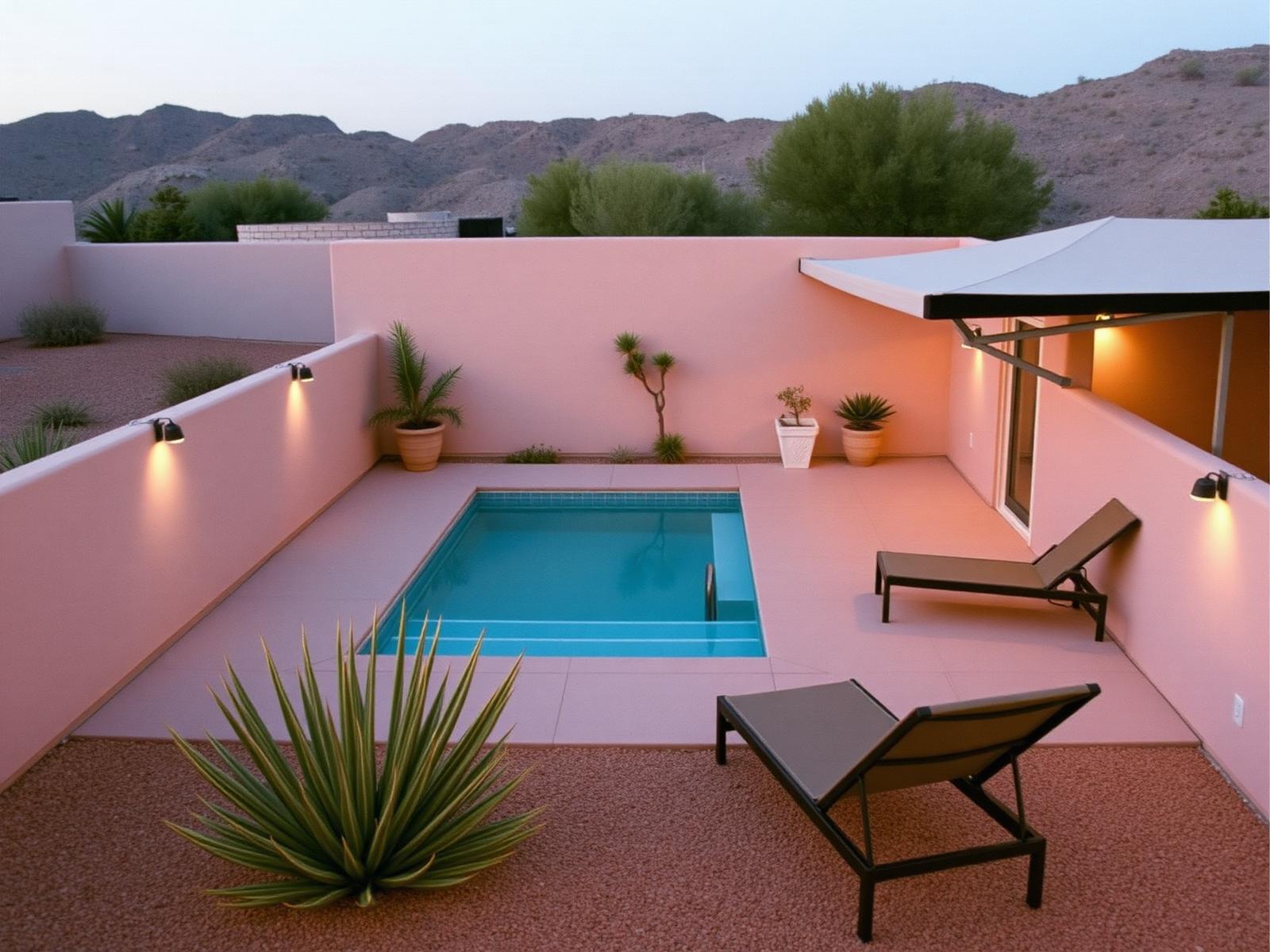
Lock-and-leave is not a property type. It is a promise about what happens while you are gone.
Some condos deliver it. Some do not. Plenty of single-family homes deliver it better than buyers expect, and some townhomes sit exactly in the middle in a way that suits people who want part of both.
The question is not which category is best. It is which category you can actually leave.
What lock-and-leave really means
Three things, in order of how often they cause trouble.
First, exterior and grounds are handled without you. Second, systems and interior risk are monitored or simple enough not to need monitoring. Third, the property does not visibly announce that nobody is home.
If a property fails any of the three, it will follow you on the trip.
Condos
The strongest version of the promise.
Exterior, grounds, and often more are handled at the association level. You lock the door, you leave, and the exterior of your life continues without you. Density also means presence, which helps with the third item on the list.
The tradeoffs are real. You give up control over the exterior and outdoor space. You gain shared walls and shared decisions. Governance quality matters enormously and varies by building, so the association is genuinely part of what you are buying.
Fit when: absence is frequent or long, outdoor space is a nice-to-have, and proximity matters more than square footage.
Townhomes
The middle position, and often the underrated one.
You usually keep a private outdoor space, a garage, and more separation than a condo, while still handing most of the exterior work to the association. For buyers who want a patio and a door to the street but do not want a yard, this is frequently the honest answer.
The tradeoffs are that maintenance responsibility is split, and the split differs by community. That boundary is where surprises live. Read what the association covers and what remains yours, in writing, for the specific property.
Fit when: you want private outdoor space and low maintenance at the same time, and you can accept some shared structure.
Single-family
Full control, full responsibility.
A single-family home can absolutely be lock-and-leave, but you build the system yourself: landscape service, pool service, systems monitoring, someone with keys, and a home whose maintenance profile does not deteriorate quickly when unattended.
Some properties make that easy. Lower-maintenance desert landscape, simpler systems, a community with presence, and a manageable lot are the features to look for. Large lots with heavy landscape, water features, and complicated outdoor living are the ones that punish absence hardest.
Fit when: space, privacy, or a specific property matters more than administrative simplicity, and you will actually build the vendor plan.
The governance question nobody enjoys
For condos and townhomes especially, and for many single-family communities too, the governing documents are part of the purchase.
Rules around rentals, guest use, parking, exterior changes, and pets vary by community and they change over time. Do not rely on what is typical. Read the actual documents for the actual property during your inspection window, and read them with your absence pattern in mind rather than your move-in day.
If your plan depends on a permitted use, verify the permission before you depend on it.
The reserve and management question
Deferred maintenance and thin reserves are the two things that turn a well designed lock-and-leave into an ongoing headache. Ask how the association is managed, how it plans, and how it has handled recent work. This is diligence, not pessimism.
How to decide in one pass
Answer these four, and the category usually picks itself.
- How many weeks per year is the property empty, and in what blocks?
- Do you want private outdoor space, or just outdoor access?
- Will you build and manage a vendor list, or do you want it handled?
- Does anything about your plan depend on a rule that could change?
If the answers point to long absences, no yard, no vendor list, and no rule dependency, you are looking at a condo. If they point to some outdoor space and moderate absence, look at townhomes. If space or a specific property wins and you will do the work, single-family is fine.
Where these tend to sit in Scottsdale
Attached and community-maintained options cluster more heavily toward Old Town, the central corridor, and specific master-planned pockets. Larger single-family and desert properties concentrate further north. That geography means the housing decision and the area decision are entangled, which is why I like to make them together.
Two useful next reads: the lock-and-leave lifestyle page and where to live in Scottsdale if you travel frequently. If the area question is still open, Old Town vs Central vs North Scottsdale is the place to start, or run the Arizona Atlas and let it narrow the map.