

Sellers usually arrive with a list. The list is long, it is expensive, and roughly half of it does not need to happen.
The useful sort is not cheap versus expensive. It is whether the work changes the buyer set, removes a reason to hesitate, or simply satisfies the seller. All three are legitimate uses of money. Only the first two affect the outcome.
Category one: work that removes hesitation
This is the highest return category and the easiest to underestimate.
Buyers do not price problems accurately. They price uncertainty, and they price it conservatively. An unexplained stain, a visibly deferred item, or a system nobody can speak to invites a buyer to imagine the worst version and subtract accordingly.
Fixing or documenting those items is rarely about the item itself. It is about removing the mental discount a buyer applies when something is unclear. Documentation counts here. A receipt, a service record, or a clear explanation often does the same work as a repair.
Category two: work that changes who considers the home
A smaller set of improvements moves the property into a different comparison group. That is the work that can support a different price, because it changes which homes a buyer weighs yours against.
It is also the work most likely to be over-scoped. A partial improvement that leaves the home between two categories usually earns less than either staying put or committing fully. If you cannot commit fully, staying put and pricing accurately is often the better decision.
This is exactly where pricing and preparation intersect, which is why how Arizona sellers should think about pricing is worth reading alongside this one.
Category three: work that only satisfies the seller
Sellers frequently want to finish something they have lived with for years. That impulse is human and sometimes worth honoring for your own sake. Just label it correctly. It is a personal decision, not a return-generating one, and it should not consume the budget the first two categories need.
Presentation is not the same as renovation
A home that reads as cared for outperforms a home that reads as neglected, and most of that gap is not renovation.
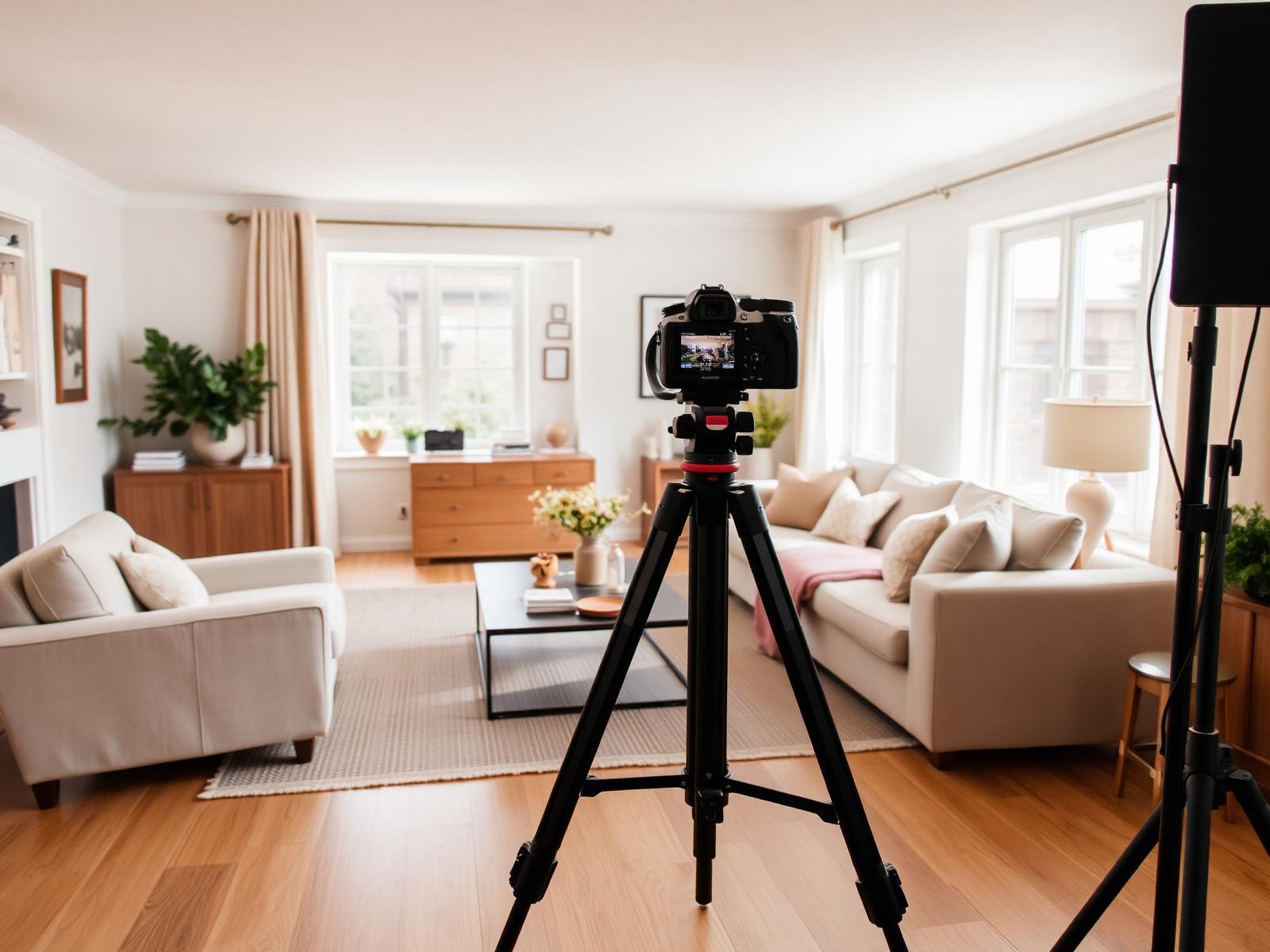
Light, clarity, order, and clean sightlines do the heavy lifting. Removing what makes rooms feel smaller, letting a buyer see how space actually flows, and making the entry feel considered will change how the whole property reads. That work is comparatively inexpensive and it affects every showing.
Outdoor space carries more weight here than sellers expect
In Phoenix and Scottsdale, outdoor living is part of how buyers evaluate a home, not an afterthought. Patios, shade, and usable exterior space are read as living space, and a neglected exterior undercuts a well-presented interior.
You do not need to redesign a yard. You do need the exterior to look like part of the home rather than something that stopped being maintained.
Sequence the work so it does not run your timeline
The most common preparation failure is not doing too little. It is starting too late and letting the work choose the listing date.
If you have real runway, use it. The six month framework in what smart sellers do before they list exists so that preparation happens on your schedule instead of compressing into the weeks when you need to be listed.
If your runway is short, choose fewer items and finish them cleanly. A half-finished project is worse than an untouched one, because it signals interrupted intent.
If the property is a second home
Second homes and seasonal properties need a different pass, because absence shows in specific ways. Selling a second home or lock and leave property in Arizona covers that scenario directly.
Deciding without guessing
The honest way to build the list is to walk the property as a buyer would, in order, and note every moment you would pause. Those pauses are the list. Everything else is optional.
If you want that walk done with you, strategic selling advisory starts there, and reaching out with your address and your timeline is enough to begin.