

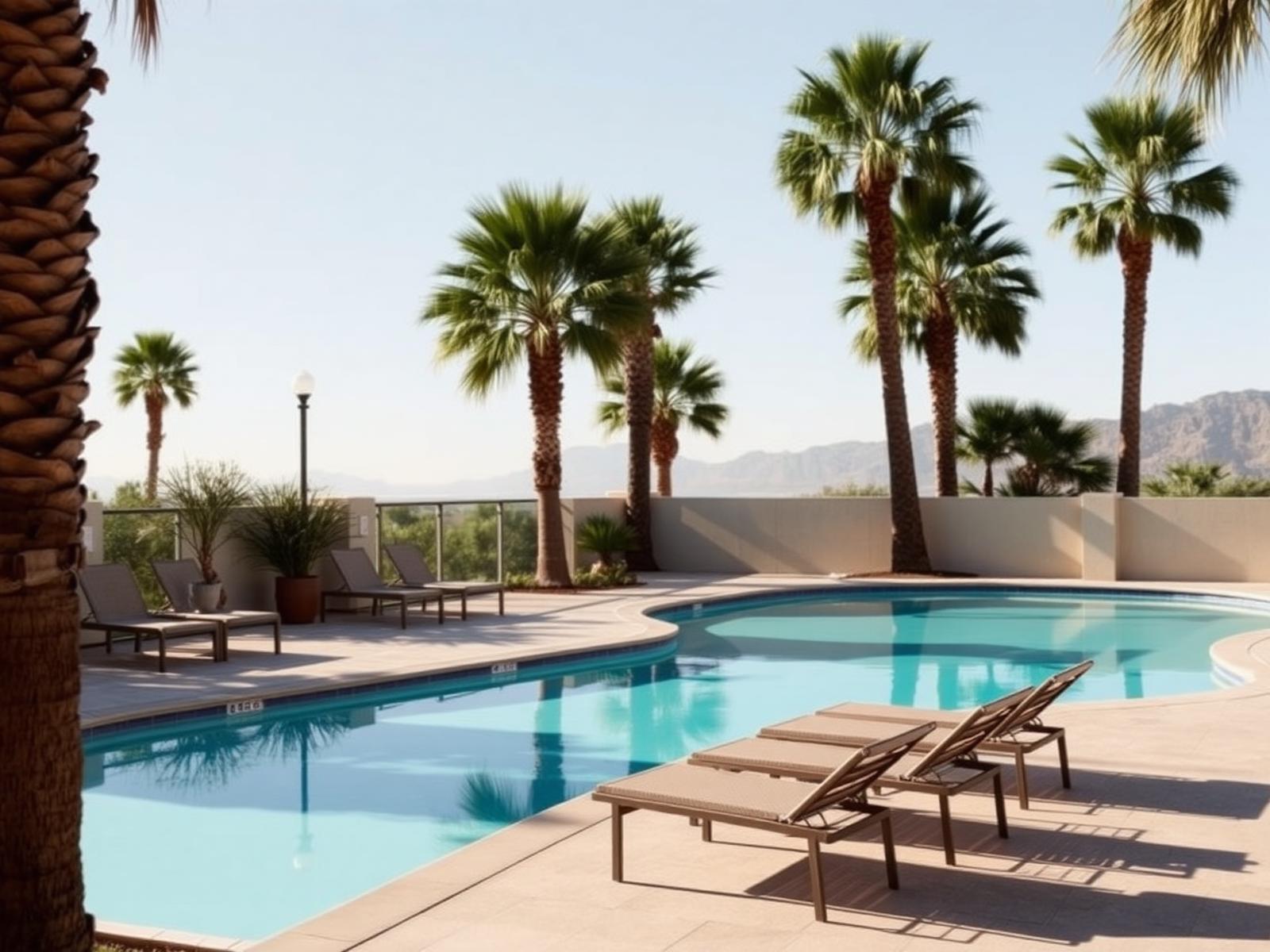
A second home sale is not a primary residence sale with fewer boxes to pack. The seller is usually elsewhere, the property has been used seasonally, and the buyer is often purchasing a lifestyle rather than a household.
Each of those changes the work.
You are selling a use case, not just a floor plan
Buyers of second homes are solving a specific problem. They want a base for part of the year, a place that does not demand attention when they are away, or a foothold in an area they have been visiting for years.
That means the property has to communicate its use clearly. The way a home supports low maintenance living, seasonal absence, and easy arrival is part of the value, not a footnote. Sellers who present a lock and leave property as though it were a standard family home are competing in the wrong category.
The lock and leave lifestyle page describes how buyers evaluate this, and Scottsdale lock and leave options covers what buyers are comparing between condo, townhome, and single family formats.
Absence shows, and buyers notice
Properties that sit unused develop a particular signature. Nothing dramatic, but the accumulated small things read clearly to anyone walking through.
Address that before photos rather than after. This is one of the situations where presentation is not optional polish. The property is competing directly against homes that have been lived in continuously and maintained accordingly. The sorting framework in what to fix before listing your Arizona home applies here, with a stronger emphasis on the visible signs of low use.
Decide who represents the property while you are away
The practical question sellers underestimate is presence. Someone has to be able to respond locally, coordinate access, handle whatever arises, and make judgment calls on your behalf.
If you are out of state, that arrangement should be explicit before the property goes live. Vague coverage becomes delay, and delay during the early attention window is expensive.
Your timeline is probably more flexible than a primary sale
This is the genuine advantage. You are not coordinating a household move, a school year, or a job start, which means the sale can be structured around strategy rather than logistics.
Use that. Flexible timing is what allows a deliberate pricing approach rather than a reactive one, and the framework in how Arizona sellers should think about pricing is far easier to execute when your date is not fixed.
The one caution is that flexibility can drift into indecision. Set a real target window even if nothing forces it.
Know what your area does for this buyer
Second home buyers are area-driven in a way primary buyers sometimes are not. They chose the area first and the property second.
That means the property's relationship to the area matters. A Biltmore property that supports a lock and leave routine, a North Scottsdale home oriented toward desert and golf living, or a Paradise Valley property positioned for privacy are all selling something specific. Present the property in those terms. The Biltmore lock and leave and North Scottsdale desert and golf pages show how buyers think about those pockets.
If you are selling because life changed
Second homes are frequently sold because the reason for owning them has quietly ended. Travel patterns shift, family arrangements change, or the property is being sold as part of a larger transition.
Those sales carry more than logistics. When the sale is part of a downsizing or family transition, senior transition and downsizing advisory is built for that context, and the pacing matters as much as the price.
Where to start
Send me the address and tell me how the property has been used. That is usually enough to know whether it should be presented as a lifestyle property, a standard resale, or something in between. Strategic selling advisory handles the rest, and reaching out is the whole first step.