

Arcadia is easy to fall for online and harder to read accurately from two states away. It has a strong identity, it photographs beautifully, and it shows up in almost every relocation search that starts with the word charm.
None of that is wrong. But out-of-state buyers consistently arrive with the same handful of misunderstandings, and each one costs trip time that could have gone toward a decision.
1. Arcadia is not one consistent neighborhood
This is the big one. Buyers treat Arcadia as a single product with a single character, then get confused when two homes at similar prices feel nothing alike.
Lot sizes, setbacks, street character, adjacency to commercial activity, and housing style vary considerably across it. What is true a few streets over may not be true where you are standing.
Practical fix: shortlist streets, not the area. The Arcadia area page and the Arcadia lifestyle and charm read are the right starting frame, but the decision happens at street level.
2. Old does not mean untouched, and new does not mean simple
Arcadia has had sustained reinvestment for a long time. That produces a spectrum: original homes, carefully restored homes, heavily remodeled homes, and full rebuilds, often adjacent to each other.
From a listing feed, those categories blur. On the ground they behave very differently in terms of systems, insulation, layout logic, and what you inherit.
Read what has actually been done to a house. Treat the inspection window as your real diligence period rather than a formality.
3. The destination quality is a daily fact, not a weekend one
Buyers love that Arcadia is a place people want to be. Then some are surprised that it stays a place people want to be on an ordinary Wednesday.
That is not a defect. It is the deal. Proximity to dining and gathering is the whole appeal, and proximity means activity, traffic patterns, and visitors.
If that energy is what you came for, this is the right pocket. If you want to be near it without living in it, say so, because that changes the street list immediately. Quiet, privacy, and space is the useful counter-read.
4. Photos oversell the yard and undersell the summer
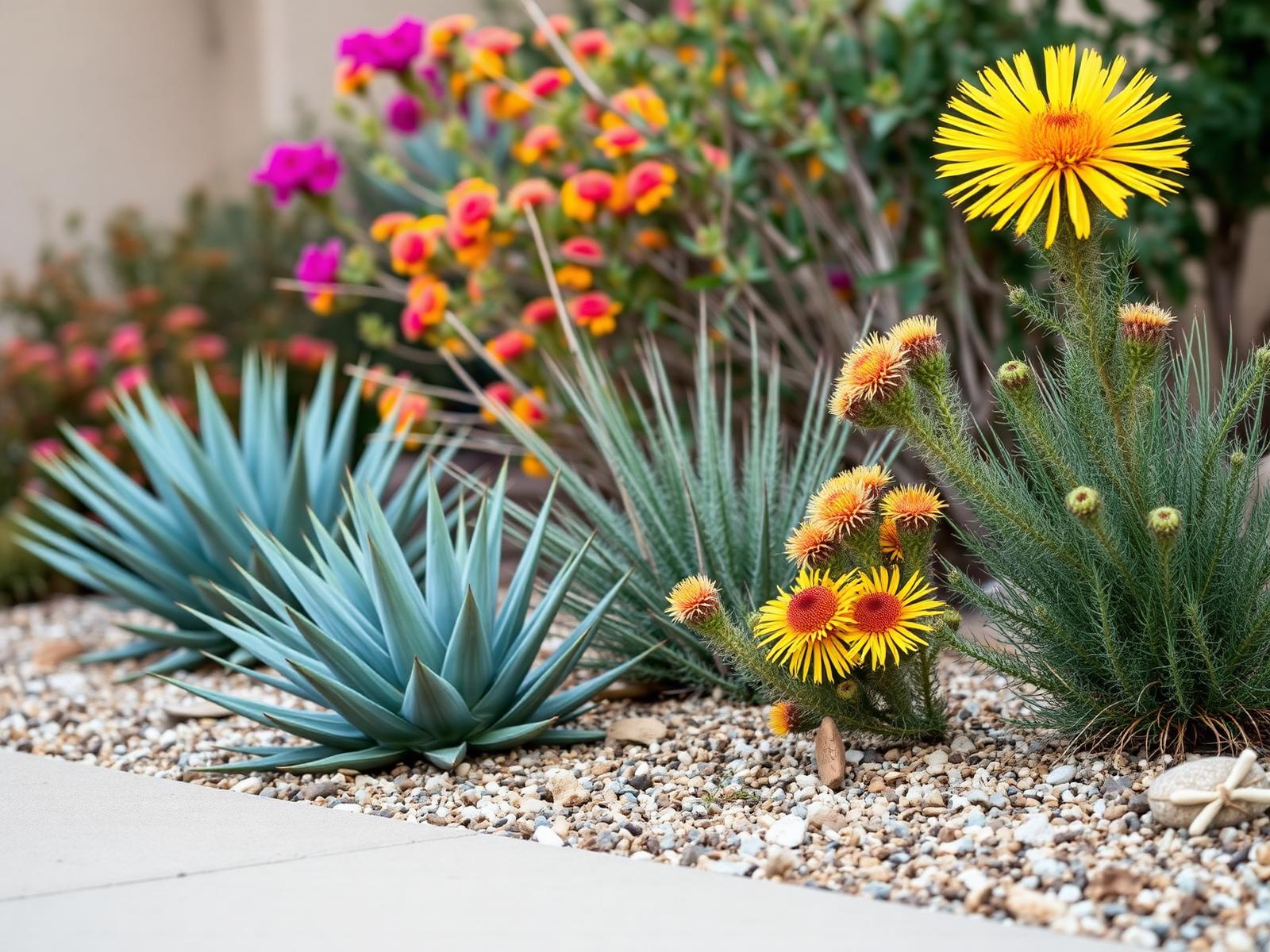
Mature landscaping is a genuine Arcadia asset, and it is also a maintenance commitment with an irrigation rhythm that most relocating buyers have not managed before.
The other half: tour photos are almost always cool-season photos. Ask what the property asks of you in the hottest part of the year. Shade, orientation, outdoor usability, garage capacity, and how far you walk from car to door all matter more here than a February visit will tell you.
5. It is compared to the wrong places
Out-of-state buyers usually benchmark Arcadia against Scottsdale, because Scottsdale is what the internet suggests first. That comparison is often the wrong axis.
The more useful comparisons are within Central Phoenix. Read Arcadia vs North Central Phoenix for the rhythm question and the Arcadia vs Biltmore comparison for the maintenance and housing-type question. If Scottsdale really is still in play, why Central Phoenix works for buyers who do not want Scottsdale closes that loop faster.
6. Remote decisions get made on the wrong inputs
The most common pattern I see is a buyer who has spent months on listing feeds and arrives with a list of houses instead of a list of questions.
Houses turn over. Questions do not. Arriving with a clear read on rhythm, maintenance posture, and street preference means the trip does real work.
What to do before you fly
Pick two pockets and keep both alive. Book at least one weekday. Ask about the specific street rather than the area. Plan to see a range of condition levels on purpose so you can calibrate.
Then work the out-of-state buyer pre-trip checklist and run the Arizona Atlas so the trip starts from a hypothesis. If you would rather talk it through first, reach out directly.